Nonprofit Fundraising Videos
7 Mistakes Nonprofits Make With Event Videos
The seven most common mistakes nonprofits make with event videos, from late planning and unclear storytelling to poor audio, skipped interviews, and missed opportunities to repurpose footage across campaigns.
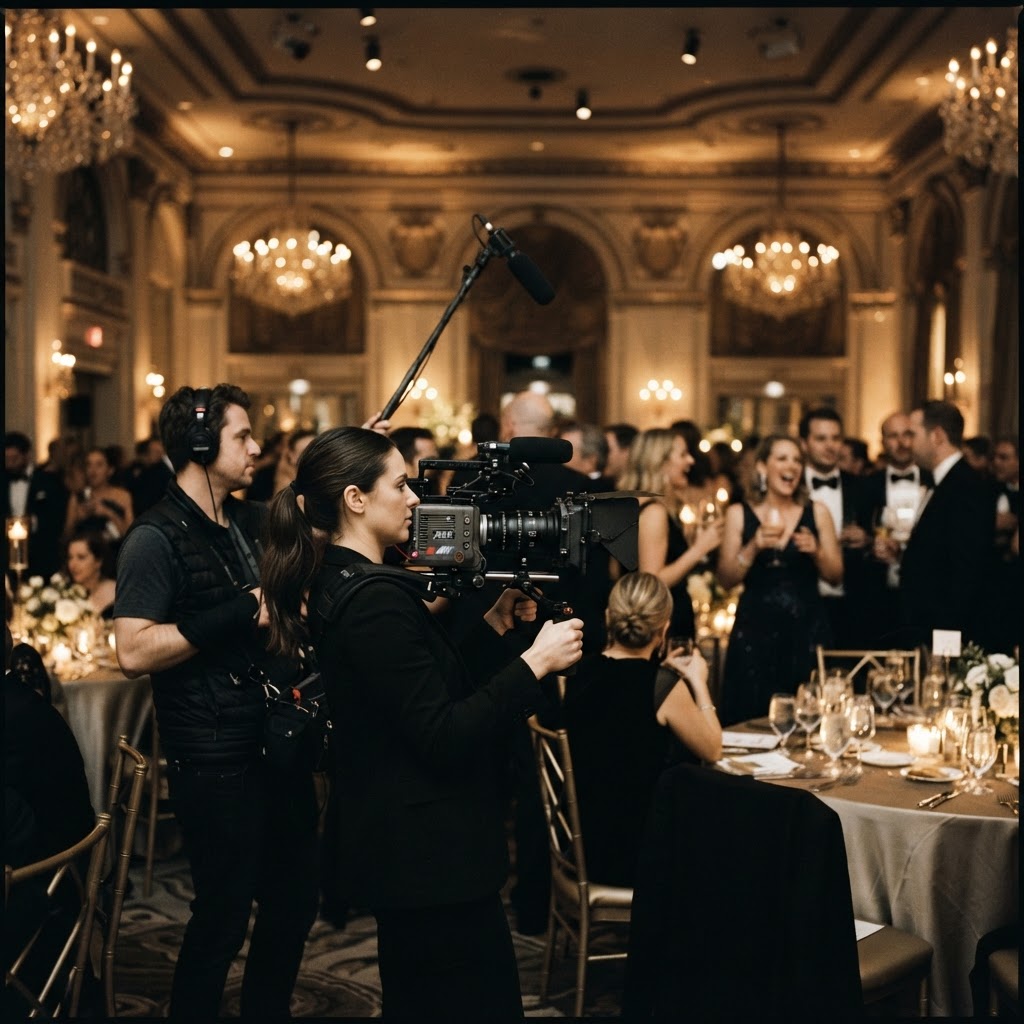
Nonprofit events create some of the most meaningful moments an organization will experience all year. Donors gather in one room. Supporters hear powerful stories. Volunteers are recognized. Community partners connect. Fundraising goals are announced, and the mission becomes visible in a way that cannot always be captured through emails or annual reports. Yet many nonprofits fail to turn those moments into valuable video content. They may hire someone to record the event without a clear strategy, wait too long to plan coverage, or produce a recap video that looks exciting but does little to support fundraising, donor engagement, or future marketing. A nonprofit event video should do more than prove that an event happened. It should help the organization extend the energy of the event, strengthen relationships, attract future supporters, and create content that continues delivering value long after the room is empty. At Brookssmedia, we work with nonprofit organizations throughout Chicago to create documentary-inspired event videos, fundraising films, interviews, and social media content designed around long-term impact. Here are seven of the most common mistakes nonprofits make with event videos, and how to avoid them.
Mistake 1: Treating the Event Video as an Afterthought
One of the biggest mistakes nonprofits make is waiting until the final weeks before an event to think about video. By that point, the program is already finalized, speakers have been selected, and the production team may have limited time to understand the organization's goals. This often results in basic event documentation instead of strategic storytelling. A production team needs time to understand the purpose of the event, the fundraising goal, the most important speakers, the stories being featured, the audience in attendance, the content needed after the event, and the organization's long-term marketing goals. The earlier video is included in the planning process, the more valuable the final content becomes.
How to Avoid This Mistake
Begin discussing video during the early stages of event planning. Ideally, your production partner should be involved at least six to eight weeks before the event. Larger galas or multi-day conferences may require even more preparation. Early planning creates enough time to develop interview questions, review the event schedule, identify important moments, coordinate with the venue, and plan multiple deliverables.
Mistake 2: Filming Everything Without a Clear Story
Many organizations assume that more footage automatically leads to a better video. It does not. Recording every speech, performance, sponsor announcement, and table interaction may create a large amount of content, but it does not guarantee a compelling story. Without a clear direction, editors are left with hours of disconnected footage and no strong narrative. A successful nonprofit event video should answer a few important questions: what was the purpose of the event, who was impacted, why did the evening matter, what did supporters make possible, and what should viewers do next. The strongest event videos are built around a central message rather than a collection of random highlights.
How to Avoid This Mistake
Define the primary goal of the video before production. For example, your event video may be designed to thank current donors, attract future sponsors, promote next year's event, demonstrate community impact, recruit volunteers, support a fundraising campaign, or strengthen the organization's website. Once the goal is clear, the production team can focus on capturing the moments that support it.
Mistake 3: Capturing Only the Stage
The stage may contain the formal program, but the emotional story of an event often happens throughout the room. A camera focused only on speakers can miss guests greeting one another, volunteers preparing the space, donors reacting to a fundraising film, attendees participating in an appeal, staff celebrating milestones, sponsors interacting with the community, and quiet, meaningful moments between participants. These moments help viewers feel what it was like to attend. They also provide the B-roll needed to create a dynamic and emotionally engaging edit.
How to Avoid This Mistake
Plan coverage around both the formal program and the full event experience. A complete visual story may include exterior and venue establishing shots, registration and guest arrival, table details and signage, sponsor branding, networking, performances, award presentations, audience reactions, fundraising moments, staff and volunteer interactions, and closing celebrations. The goal is not simply to record the event. It is to capture the atmosphere, relationships, and emotional energy surrounding it.
Mistake 4: Skipping Interviews
An event recap built entirely from music and B-roll can look polished, but it may not explain why the event mattered. Interviews give the video meaning. Short, authentic conversations with donors, guests, volunteers, staff, and organizational leaders can help viewers understand the mission and emotional significance of the event. Useful interview prompts may include why you attended tonight, why this mission matters to you, what impact you have seen, what inspired you to support this organization, what you would tell someone considering getting involved, and what moment stood out to you tonight. These responses can transform a standard highlight reel into a powerful storytelling piece.
How to Avoid This Mistake
Schedule a dedicated interview area during the event. Choose a quiet, visually appealing space away from loud music and heavy foot traffic. Keep the setup accessible so interviews can be completed quickly without removing guests from the event for too long. It is also helpful to identify interview subjects before the event instead of hoping the right people will become available during the evening.
Mistake 5: Ignoring Audio Quality
Poor audio can ruin otherwise strong event footage. Ballrooms, conference spaces, and gala venues are often challenging environments. They may contain loud music, crowded conversations, reflective walls, and unpredictable sound systems. Common audio problems include distorted speeches, excessive room echo, music overpowering interviews, inconsistent microphone levels, missing soundboard access, unclear audience questions, and background noise during testimonials. Viewers may tolerate a slightly imperfect image. They are far less likely to continue watching when they cannot clearly understand what is being said.
How to Avoid This Mistake
Discuss audio with the venue and audiovisual team before the event. A professional video team may use several audio sources, including direct feeds from the venue soundboard, wireless microphones, on-camera reference audio, backup audio recorders, and dedicated interview microphones. Redundant audio recording reduces the risk of losing important speeches or emotional moments. Nonprofits should also understand that the event venue's audiovisual team and the video production team may have different responsibilities. Coordination between both teams is essential.
Mistake 6: Producing Only One Video
Many nonprofits invest in event coverage and receive a single recap video. That approach leaves a significant amount of value unused. One event can generate content for months. Depending on the production strategy, an organization may create a main event recap, a short social media version, vertical videos for Instagram Reels and YouTube Shorts, donor testimonials, sponsor thank-you videos, executive interview clips, volunteer spotlights, speaker highlights, promotional content for next year's event, internal recap videos, website content, and fundraising campaign assets. A single production can become a complete content library.
How to Avoid This Mistake
Discuss deliverables before the event. Tell your production partner where the content will be used and which audiences need to be reached. For example, a nonprofit may need a two-minute cinematic recap for its website, five short clips for social media, three donor testimonials, a sponsor appreciation video, and a 30-second promotional edit for next year's gala. Planning these assets in advance ensures the necessary footage is captured in the correct formats.
Mistake 7: Posting the Video Once and Moving On
Even a great event video will have limited impact without a distribution strategy. Some organizations post the recap on social media once, receive a few likes, and then never use it again. That wastes the long-term value of the production. Event content can support communication throughout the year.
How to Avoid This Mistake
Build a distribution plan before the final video is delivered. Your nonprofit can use event footage in donor thank-you emails, sponsor follow-ups, social media campaigns, board presentations, grant applications, volunteer recruitment, newsletters, website pages, annual reports, next year's event registration campaign, and corporate partnership outreach. The same content can be introduced differently depending on the audience. A donor may receive a message focused on impact. A sponsor may receive a version highlighting visibility and partnership. A future attendee may see a short edit focused on the experience of the event.
What Makes a Strong Nonprofit Event Video?
The strongest event videos combine planning, emotion, and purpose. They usually include a clear central message, authentic interviews, strong audio, meaningful audience reactions, mission-driven visuals, sponsor and partner recognition, a clear call to action, multiple deliverables, and a long-term distribution plan. Most importantly, they help the audience understand why the event mattered.
Event Recap Video vs. Fundraising Film
These two types of videos serve different purposes.
Event Recap Video
An event recap documents the energy and experience of the event. It may feature guest arrivals, networking, entertainment, speakers, awards, sponsor branding, and audience reactions. Its primary goal is often to celebrate the event and promote future participation.
Fundraising Film
A fundraising film is usually produced before the event and shown during the program. It focuses on a participant's story, the organization's mission, a specific community need, transformation and impact, and a direct fundraising appeal. Its purpose is to inspire donations. Many nonprofits benefit from producing both. The fundraising film helps motivate generosity during the event, while the recap video extends the experience after the event.
Frequently Asked Questions
How long should a nonprofit event recap video be?
Most primary recap videos perform well between one and three minutes. Shorter versions between 15 and 60 seconds can be created for social media, advertisements, and future event promotion.
How many cameras are needed for a nonprofit event?
The number of cameras depends on the event schedule, venue, audience size, and required deliverables. A small reception may need one or two cameras, while a gala with speeches, performances, interviews, and audience reactions may require a larger multi-camera crew.
Should interviews be filmed during or before the event?
Both approaches can work. Pre-event interviews provide greater control over lighting, audio, and scheduling. Interviews filmed during the event can capture immediate energy and emotional reactions. A combination of both often produces the strongest results.
Can event footage be used for future fundraising?
Absolutely. Event footage can support annual campaigns, sponsor presentations, donor stewardship, social media, volunteer recruitment, grant applications, and future gala promotions.
How soon should the event video be delivered?
Social media teasers are most valuable when delivered quickly while the event is still fresh. Longer recap videos may require more editing time, especially when interviews, multiple cameras, and licensed music are involved. Discuss the delivery timeline during pre-production.
Why Brookssmedia Takes a Strategic Approach to Event Video
At Brookssmedia, we believe nonprofit event coverage should create more than a highlight reel. It should become a storytelling resource that helps organizations strengthen donor relationships, celebrate impact, attract sponsors, recruit volunteers, and promote future events. Our documentary-inspired approach combines strategic pre-production, multi-camera event coverage, authentic interviews, professional audio, cinematic B-roll, purposeful editing, and multi-platform deliverables. Whether we are filming a fundraising gala, nonprofit conference, community celebration, awards program, or donor reception, our goal is to create content that continues working long after the event ends.
Make Your Next Event Work Harder
Your nonprofit invests significant time, energy, and resources into creating a successful event. Your video strategy should protect and extend that investment. By planning early, capturing authentic stories, prioritizing professional audio, and creating multiple deliverables, your organization can turn one evening into months of valuable fundraising and marketing content. If your nonprofit is planning a gala, conference, donor reception, awards ceremony, or community event, Brookssmedia can help you create video content that captures the moment and supports your mission long after the final guest leaves. Contact Brookssmedia today to start planning strategic nonprofit event coverage that strengthens your story, expands your reach, and creates long-term value.
Have a story worth telling?
Let's shape the strategic narrative behind your next film.
Book a Discovery Call