Brand Storytelling
Cinematic Storytelling Techniques That Make Audiences Care
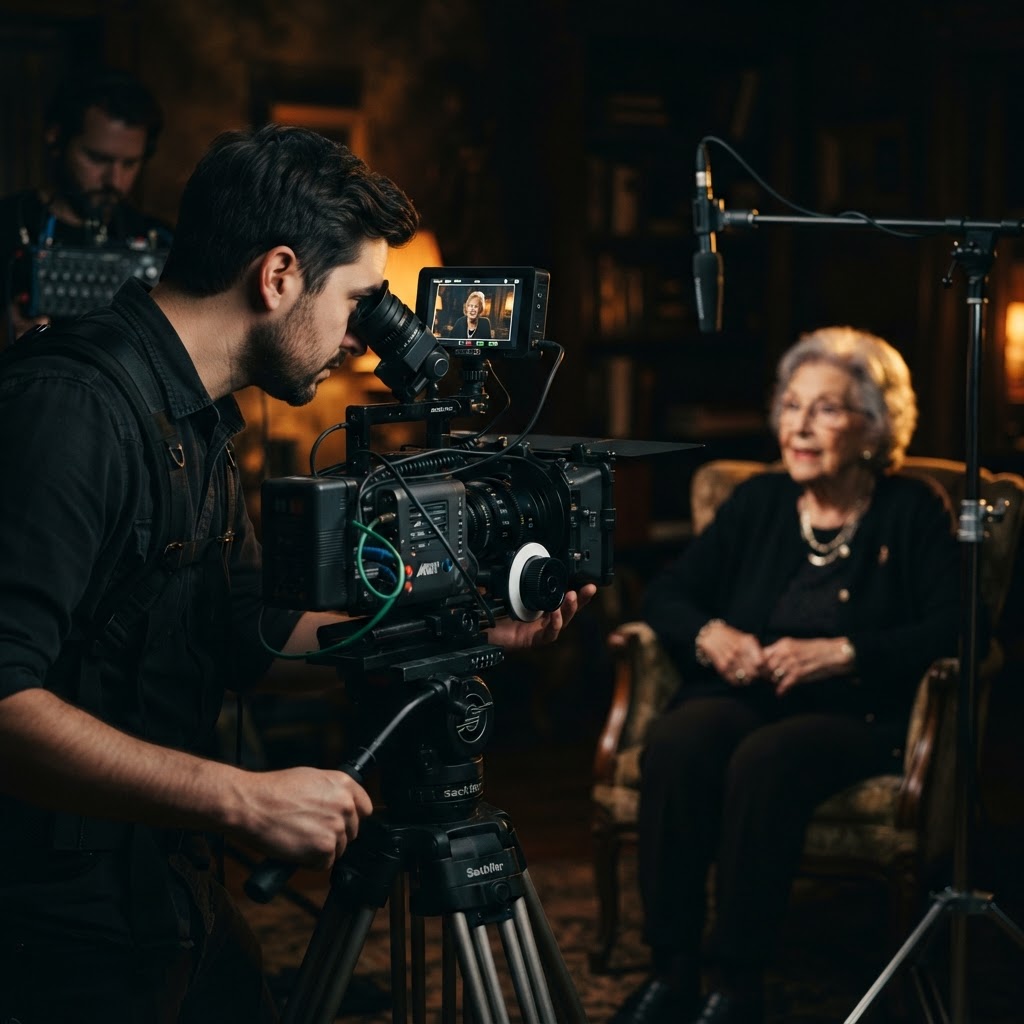
Cinematic storytelling has little to do with gear. The techniques that actually move audiences — human-centered narratives, emotional pacing, purposeful visuals, silence, and transformation — are the same ones we use at Brookssmedia to create films that make people care.
When people hear the word cinematic, they often think about expensive cameras, drones, slow motion, or Hollywood-style visuals.
Those things can help.
But cinematic storytelling has very little to do with gear.
I've seen videos shot on high-end cameras that felt empty, and I've seen simple interviews move an entire room to tears.
The difference is storytelling.
At Brookssmedia, we approach every project with one goal: make people care. Whether it's a nonprofit fundraising film, a corporate brand story, or a documentary-style interview, the techniques below are the same tools I use to create emotional connection and keep audiences engaged.
Start With the Human Story
One of the biggest mistakes organizations make is talking about themselves first.
People don't connect with organizations.
They connect with people.
Instead of opening with statistics, services, or company history, start with a human being. Introduce someone facing a challenge, pursuing a goal, or experiencing a transformation.
When the audience connects with a person, they naturally become interested in the larger mission behind the story.
Build Around Emotion, Not Information
Information is important.
Emotion is memorable.
Think about the videos that stay with you. Chances are you don't remember every statistic or fact. You remember how the story made you feel.
Hope.
Joy.
Inspiration.
Determination.
Relief.
The most effective videos use information to support emotion—not the other way around.
Before filming, ask yourself:
What should the audience feel when this video ends?
That answer should guide every creative decision.
Use Visuals With Purpose
Beautiful footage is not enough.
Every shot should help move the story forward.
When I'm filming, I constantly ask:
"What does this shot tell us about this person?"
"What does this reveal about the mission?"
"How does this support the message?"
A close-up of hands at work often says more than a wide establishing shot.
A quiet moment can be more powerful than an elaborate camera move.
Strong visuals provide context, reinforce emotion, and help viewers experience the story rather than simply hear it.
Show, Don't Tell
This is one of the oldest storytelling principles because it works.
Don't tell me your organization changes lives.
Show me.
Don't tell me your team cares.
Show me.
Don't tell me the event was successful.
Show me the reactions, the conversations, the smiles, and the impact.
Audiences trust what they can see.
The more you can demonstrate your message visually, the stronger the story becomes.
Create Contrast
Every compelling story contains contrast.
Before and after.
Challenge and solution.
Struggle and success.
Without contrast, there is no transformation.
When producing fundraising films, I often structure stories around three questions:
What is the problem? Why should we care? What's the solution?
That framework creates natural contrast and helps audiences understand both the challenge and the impact.
Let People Speak Naturally
One of the fastest ways to lose authenticity is forcing someone to memorize lines.
Real conversations create real moments.
When interviewing someone, I focus on making them comfortable rather than perfect.
The goal isn't to create a polished spokesperson.
The goal is to capture a genuine human experience.
Some of the most powerful moments I've ever captured happened after the scripted answer ended.
Use Music Strategically
Music is one of the most powerful storytelling tools available.
The right music can:
Build anticipation Create momentum Increase emotional impact Establish tone Reinforce key moments
The wrong music can completely disconnect the audience from the story.
Music should support the narrative, not compete with it.
If viewers remember the song but not the story, the music is doing too much.
Embrace Silence
Many editors are uncomfortable with silence.
I love it.
Silence creates space for emotion.
It gives the audience time to process what they've just heard.
Some of the most powerful moments in documentary filmmaking happen when nothing is said at all.
A pause.
A look.
A breath.
Those moments often communicate more than dialogue ever could.
Capture Authentic Reactions
Authentic reactions are impossible to fake.
That's why I always leave room for unscripted moments during production.
The laugh after a story.
The emotional pause before an answer.
The reaction to seeing a loved one succeed.
These moments create trust because viewers recognize them as real.
Authenticity is becoming increasingly valuable in a world filled with overly polished content.
Focus on Transformation
Every great story is about change.
At the beginning of the video, someone believes one thing, experiences something, overcomes something, or learns something.
By the end, they are different.
That's what audiences connect with.
Whether you're producing a nonprofit fundraising film, a customer testimonial, or a corporate brand video, the question remains the same:
What changed?
If you can clearly show transformation, you've given the audience a reason to care.
Make Every Shot Earn Its Place
One lesson I teach my students at Illinois Media School is simple:
If a shot doesn't serve the story, it doesn't belong in the edit.
It doesn't matter how beautiful it looks.
Every scene should either:
Advance the narrative Reveal character Build emotion Provide context Support the message
The strongest edits are often the result of removing great shots that don't move the story forward.
Why Cinematic Storytelling Matters
Today's audiences are overwhelmed with content.
They're scrolling past advertisements, skipping videos, and filtering out messages that feel generic.
The organizations that stand out are the ones willing to tell honest, human stories.
Cinematic storytelling isn't about making your video look expensive.
It's about making your audience feel something.
When viewers feel connected to a story, they're more likely to remember it, share it, support it, and take action.
That's true whether you're raising money for a nonprofit, launching a brand campaign, recruiting employees, or showcasing a customer success story.
Final Thoughts
At Brookssmedia, we believe great storytelling starts long before the camera turns on.
It starts by understanding people.
Understanding the challenge.
Understanding the mission.
And understanding why the audience should care.
The cameras, lenses, drones, and lighting all matter.
But they're simply tools.
The story will always come first.
Because at the end of the day, audiences don't remember every shot.
They remember how you made them feel.
About Brookssmedia
Brookssmedia is a Chicago-based video production company specializing in documentary storytelling, nonprofit fundraising films, corporate video production, executive interviews, event coverage, and branded content. We help organizations create story-driven videos that build trust, inspire action, and create lasting impact. Contact us to learn how cinematic storytelling can elevate your next project.
Have a story worth telling?
Let's shape the strategic narrative behind your next film.
Book a Discovery Call